
: Reliable cloud sync for active files
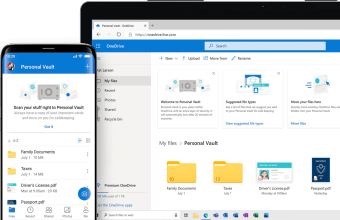
Microsoft OneDrive is a cloud storage service built to keep files available wherever work happens. It uses automatic syncing to mirror changes across devices, so documents stay current without manual copying. For teams that share drafts or move between locations, the workflow reduces lost versions and keeps a single source of truth.
Top Recommended Alternative

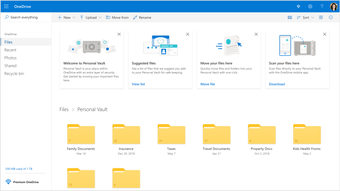
Microsoft OneDrive also supports controlled access when files must travel between people. With sharing permissions, links can be limited to specific users and adjusted as projects change. It fits everyday productivity because updates run in the background, while key folders stay easy to find and recover after mistakes.
Keeping cloud folders consistent at scale
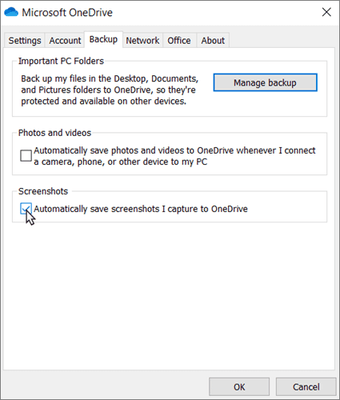
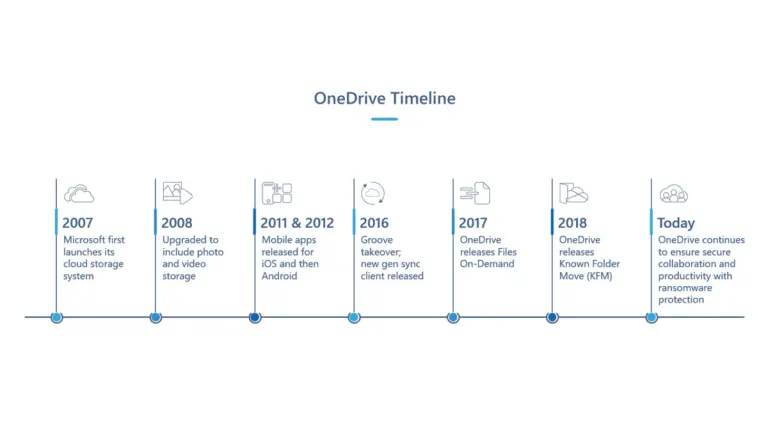
Microsoft OneDrive pairs a local folder with online storage so edits flow through in a predictable way. Files on-demand keeps placeholders for rarely used items, helping manage storage without breaking project paths. The main benefit is continuity when switching machines, since the same folder structure follows the user and reduces rework. It also supports simple backup habits because files land in one managed space. The downside is that sloppy folder roots and duplicate copies can create confusion that takes time to clean up later.
For daily work, it stays quiet once configured, which cuts down on manual transfers and final-final copies. Selective sync lets large archives remain online while keeping active project folders local for faster edits. Speed depends on connection quality and file size, so big media libraries can take longer than small documents. That can be frustrating under deadlines, but progress is easy to track and conflicts are rarer when teams follow clear folder rules. Dropbox can feel snappier for heavy link sharing, while Google Drive may suit browser-first teams.
When mistakes happen, recovery tools help keep momentum without rebuilding files from scratch. Version history makes it possible to roll back to earlier states, which is useful for documents that change across reviews. Offline access may be limited if an item was never downloaded, so planning matters before travel or outages. Box is a useful comparison for policy-heavy organizations, but it can feel heavier for personal workflows. With tidy folder structure and consistent naming, overwrites are less likely and handoffs stay smoother for everyone overall.
Dependable syncing for modern file work
Microsoft OneDrive fits users who need files to stay current across devices with minimal effort. Its syncing approach supports consistent access, controlled sharing, and practical recovery when edits go wrong. Performance depends on network conditions, but behavior is usually predictable and easy to monitor. It works best when folder structure is planned. Recommended for teams that move between locations or collaborate on shared folders and want fewer duplicate copies and fewer handoff problems.